
Can Athletes Be Disciplined for Out-of-Work Conduct?
- Andrew

- Jun 22
- 3 min read
Updated: Aug 7
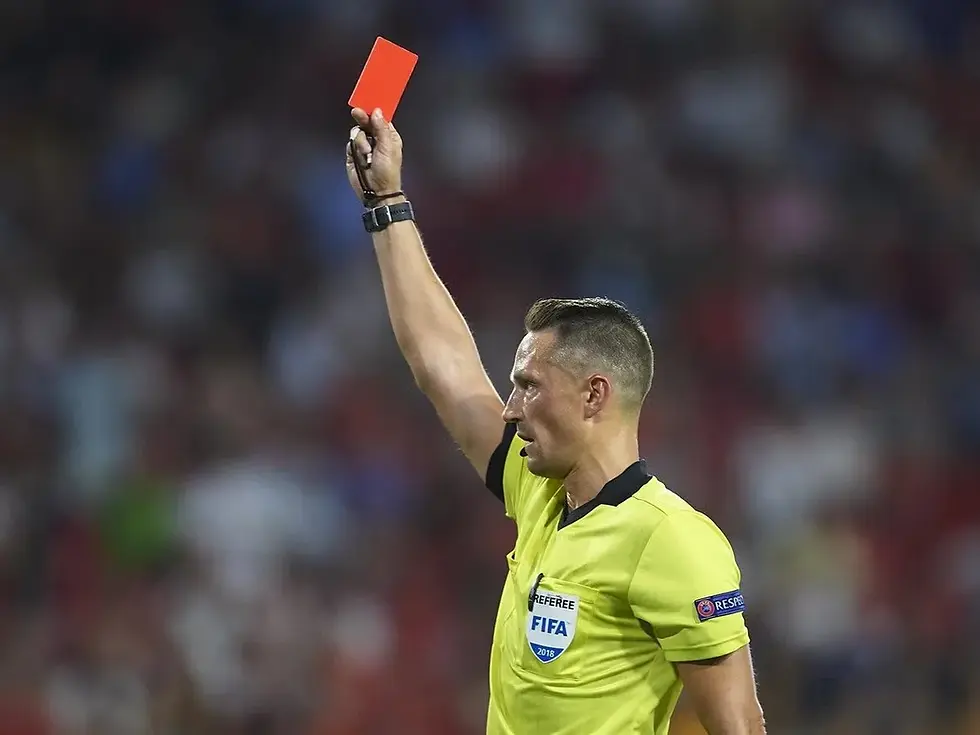
While many people assume elite sport lives in its own world, the reality is simple: UK employment law on out-of-work conduct applies to sports clubs just like any other employer. The big difference is that sports clubs operate under a massive spotlight, which heavily influences how they deal with trouble off the pitch.
When deciding on disciplinary action, a club has to look at how directly a person's off-field actions connect to their actual job.
Take tax avoidance, and I can use my own club – Glasgow Rangers – as an example: players involved in an off-field tax scheme are far less likely to be sacked than a senior finance executive caught doing the same thing
For those working in finance that kind of behaviour goes straight to the heart of their ability to handle the club's money and follow the laws. For a player, the connection to their day-to-day job is far less direct.
Where players can really face heat is reputationally. Non-coaching staff can often get caught up in issues without making the front pages, but high-profile players are the face of the club.
Even minor missteps by a first-team player can spark a media circus and de-stabilise commercial deals. As cases like Mason Greenwood and David Goodwillie show, a player doesn't need a criminal conviction for public outcry and media coverage to force a club's hand. Even when legal charges are dropped or cleared, as with Benjamin Mendy at Manchester City, the resulting legal and pay battles can and often do rumble on for years.
This dynamic makes it look like there’s one rule for regular staff and another for famous players, but under employment law, that difference in treatment is often justified.
Off-field conduct doesn't even have to be criminal to carry real penalties. Sam Allardyce lost the England manager job after an undercover sting exposed comments about transfer rules, while the likes of Andrew Flintoff and Manu Tuilagi were stripped of their captaincies and heavily fined for nights-out.
So, what can clubs and individuals actually do to protect themselves in practice?
For clubs, it starts with clear policies, sensible social media guidelines, and an open culture where players can discuss outside business ventures without fear. When things go wrong, acting quickly is vital, but jumping straight to dismissal will backfire. An internal suspension often gives a club the breathing space to carry out a proper investigation without rushing to judgment. Professional legal and HR advice is essential here - because as the Mendy tribunal proved, the cost of getting an employment decision wrong can dwarf the cost of early legal advice.
For players, understanding the rules and having the right people around them is everything. Many hire PR agencies to handle their social media - though as Victor Anichebe's famous "can you tweet something like" blunder proved, outsourcing doesn't mean they get to opt out!
Players remain fully responsible for what gets posted under their name. If a crisis hits, getting early support from agents, legal advisers, or player unions is critical.
Is this landscape going to change anytime soon? In short, no. If anything, social media means that off-field incidents blow up fast and hard. With modern sports clubs far more focused on community impact and women's teams speaking out against toxic sign-ups, the tolerance for bad behaviour is lower than ever.
There will always be mercurial talents whose off-field antics get overlooked while they're delivering results. But history shows that no matter how good you are on the pitch, nobody gets a free pass if their off-field conduct warrants a straight red.



Comments